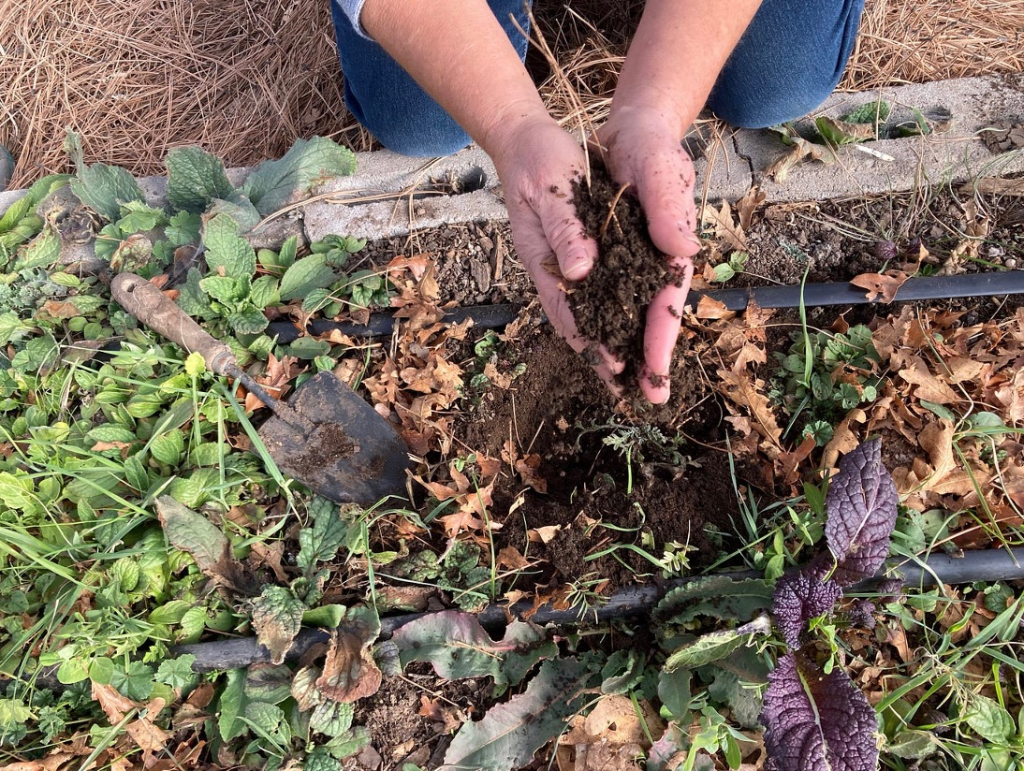
Taking off the gloves while working in the garden can help your mental health.
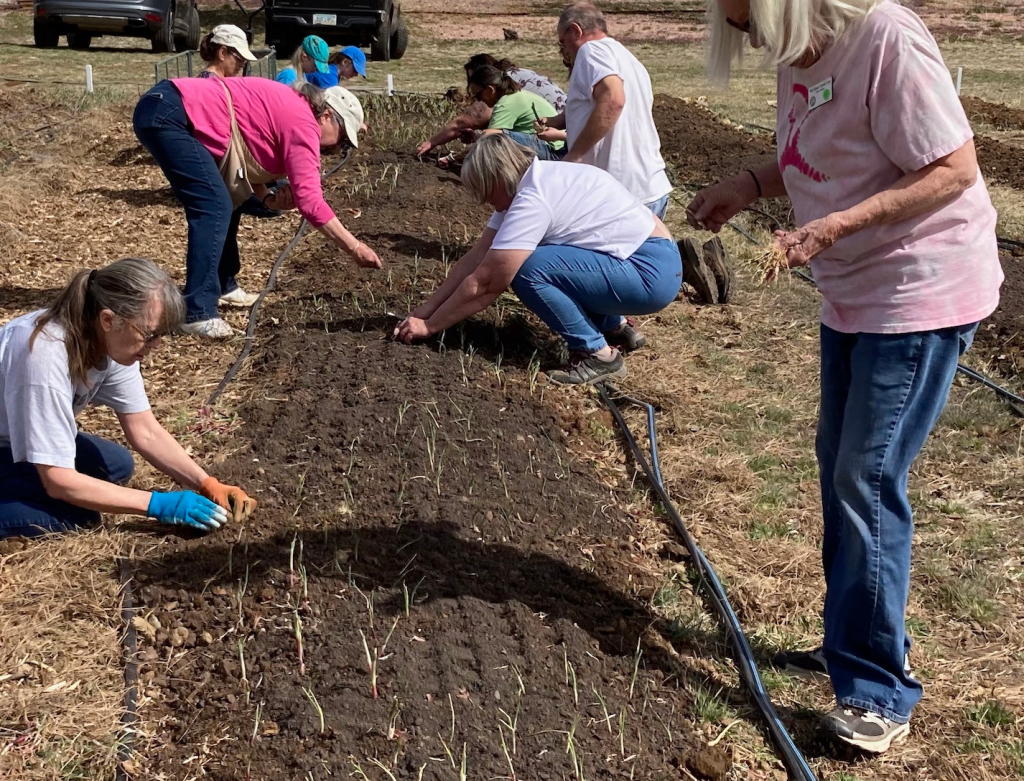
We know the health benefits of gardening. Gardening can reduce stress and boost mental clarity. Working among plants and flowers provides an atmosphere of tranquility and calm.
According to the Centers for disease Control and Prevention (CDC), a moderate level of activity of 2.5 hours each week. This regimen can reduce the risk of obesity, high blood pressure, type 2 diabetes, osteoporosis, heart disease, stroke, depression, colon cancer and premature death. Many studies have suggested that gardening is a major health benefit because it lowers cortisol levels.
WHAT IS CORTISOL?
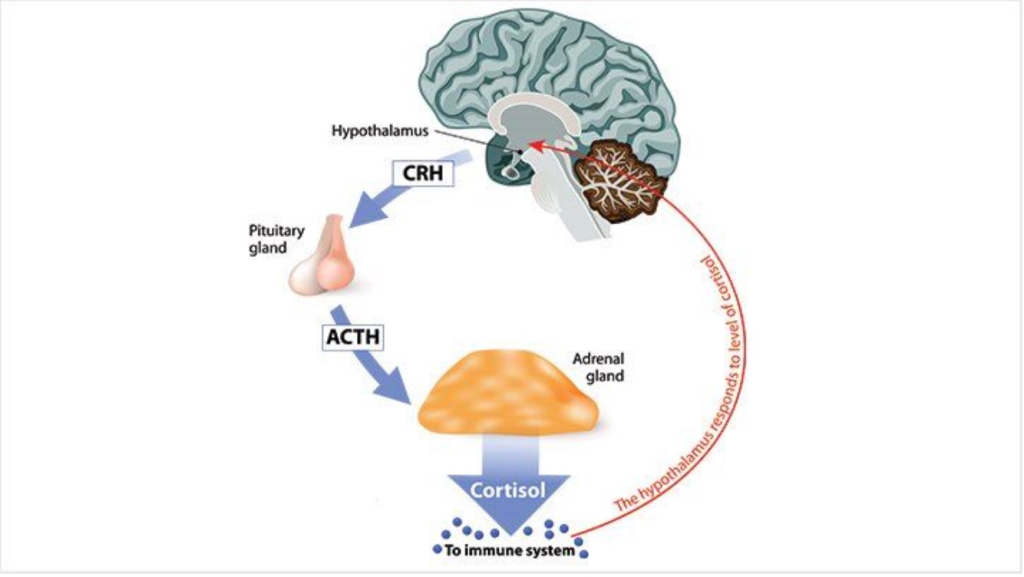
Cortisol is a steroid hormone that your body releases when you’re under stress. The adrenal gland produces cortisol. Secretion of cortisol is controlled by the hypothalamus, the pituitary gland (both located in the brain) as well as the adrenal gland (two small glands that sit on top of the kidneys).
Stress triggers cortisol release in a fight or flight situation by increasing heart rate, blood pressure, blood glucose, respiration, and muscle tension. Our body cannot sustain a constant state of stress which leads to many deleterious results such as several autoimmune diseases, obesity, high blood pressure and more.
Gardening = Calm.
DIRTY HANDS ARE HEALTHY?
Yes. Dig in the soil and get your hands dirty.
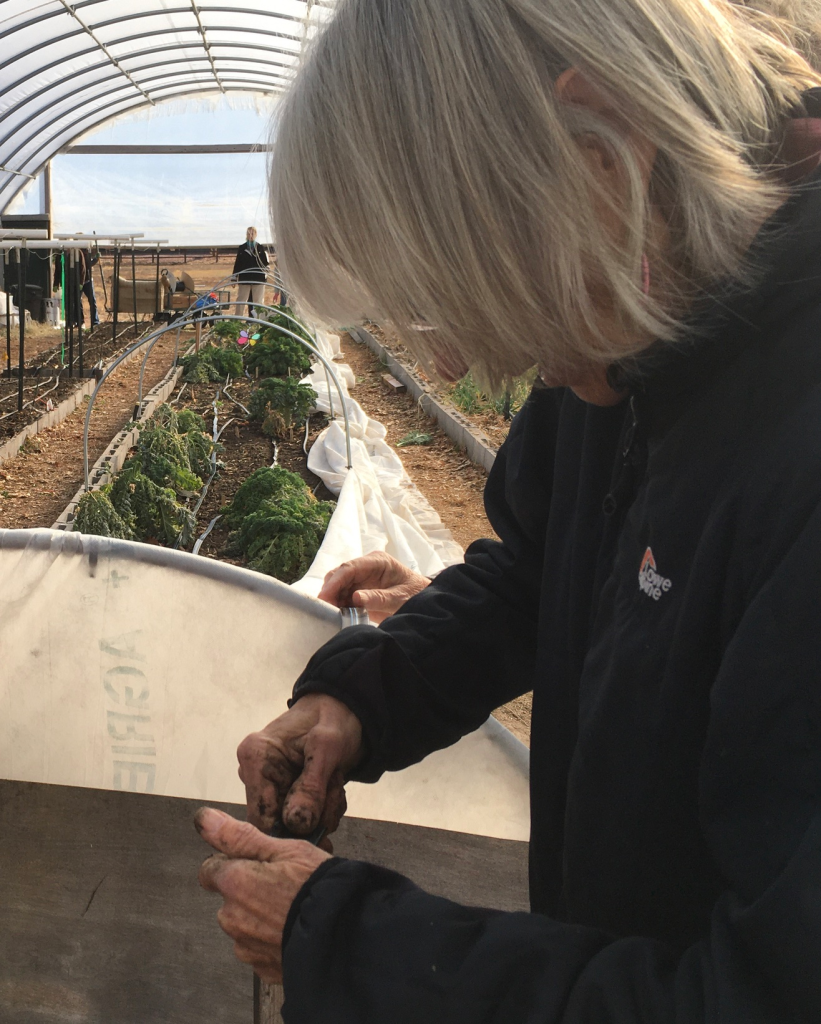
Dirty hands from gardening? The bacteria in the soil are healthy for you.
Mycobacterium vaccae, a type of bacteria commonly found in soil, has the same effect as an antidepressant. The microbes in the soil help to stimulate the production of serotonin (a key hormone that stabilizes moods) and makes one feel relaxed and happy—so the saying, “happy as a pig in mud” has some validity.
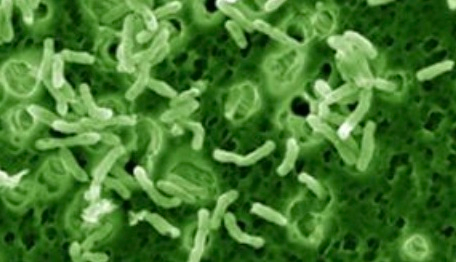
In one animal study, mice that ingested Mycobacterium vaccae exhibited reduced anxiety and improved ability to learn; therefore, researchers noted that natural exposure to microbes in soil may have a positive impact on physical health and emotional behavior.
THE IMPORTANCE OF VITAMIN D
A recent study found that 80 percent of COVID-19 patients lacked adequate levels of vitamin D in their blood. A different study found that COVID-19 patients who had adequate vitamin D levels had 51.5 percent lower risk of dying from the disease as well as a significant reduced risk of complications.
Get out in the sun and soak up some UV rays. Take vitamin D supplements which also helps bone health.
Truth: Gardening adds years to your life and life to your years.